Vehicle and category language is kept close to the quote route. Buyers can connect brake pads, rotors, calipers, ball joints, steering references, and engine components to the applications they serve.
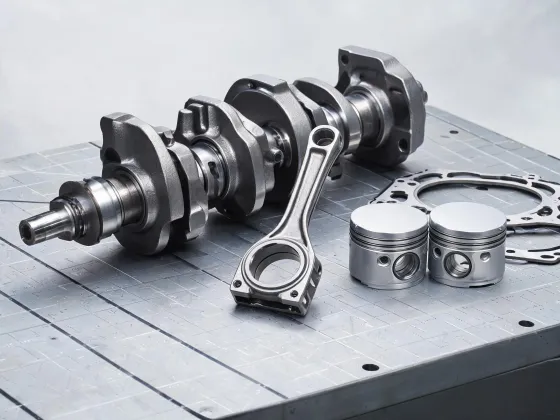
About TRW
TRW has a practical place in the aftermarket conversation: it helps buyers move from vehicle need to part decision with fewer pauses. For this site, the brand story is framed around brake system coverage, steering and suspension references, and engine component support. The goal is clear. A buyer should see the category path, understand the support model, and know how to send a useful sourcing brief.
The operating style is minimal and efficient. That means direct labels, tight navigation, and content that stays close to fitment, cross-reference, supply, and quote workflow. There is no need for broad claims when a distributor or fleet buyer mainly needs usable catalog context.
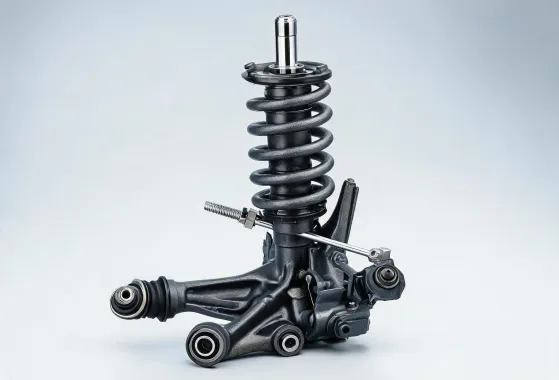
Company facts
Vehicle and category language is kept close to the quote route. Buyers can connect brake pads, rotors, calipers, ball joints, steering references, and engine components to the applications they serve.
Blanket orders, scheduled releases, and volume tiers are handled as purchasing decisions, not as decorative sales copy. The process gives buyers a sharper view of what can move quickly.
Conformity notes, OE-comparable validation, and supplier qualification records can be prepared when the buying program requires formal review.
Specialist garages, fleet programs, e-commerce catalogs, and warranty operations can each receive a route that fits their workflow.
Navigation, quote intake, and product grouping are written for fast decisions. The site avoids extra steps when a buyer already knows the vehicle family or part system.
Content uses category names, fitment terms, and purchasing context instead of generic praise. That keeps conversations useful for technical and commercial teams.
Credentials are presented as review points. ECE R90 conformity, OE-comparable validation, and PPAP or APQP support are tied to buyer requirements.
Every sourcing decision eventually reaches a vehicle, a technician, and a customer waiting for work to finish. TRW pages therefore keep the service workflow in view. Fitment checks, cross-reference notes, and dispatch timing are not separate topics. They are part of the same route from demand to installed part.
This approach helps teams reduce repeated questions. A distributor can brief a counter team. An online catalog can prepare listing data. A fleet buyer can connect part families to maintenance windows. The structure stays lean because the audience is already busy.

About the route
The best first request includes vehicle ranges, part systems, quantities, and timing. The reply can then focus on decisions instead of discovery.